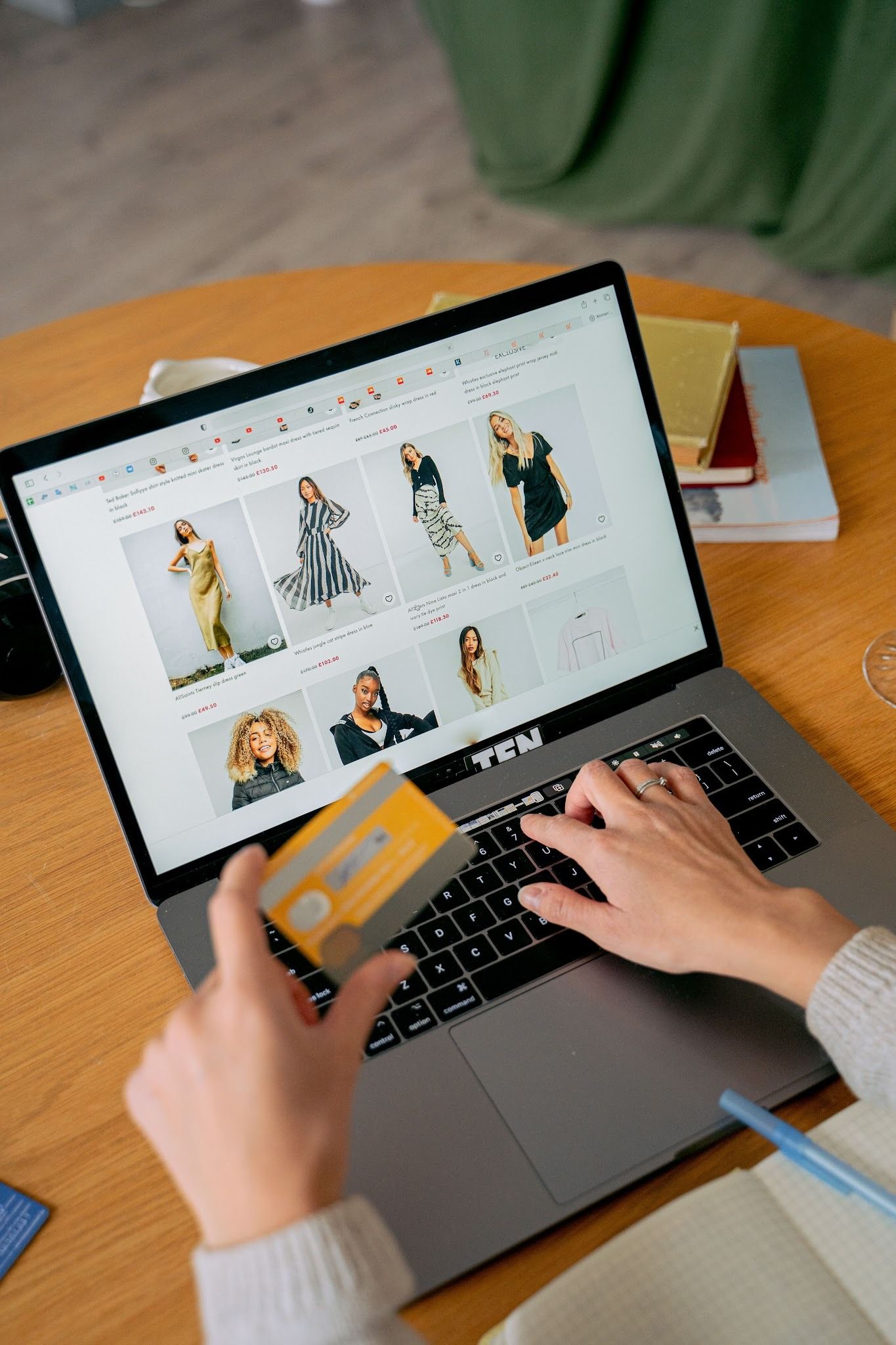
Ecommerce isn't just hanging out in the background anymore, it's absolutely front and center. As online shopping transforms into a multi-trillion-dollar industry worldwide, more entrepreneurs are skipping the risks and headaches of old-school inventory. They're launching startups around print on demand, a model that cuts costs, slashes risk and lets them get a business up and running faster than anyone could've imagined just a few years ago.
Starting a business isn’t what it used to be. There used to be a time when starting a business felt like jumping into the deep end with your pockets full of bricks. You had to line up inventory, rent storage, juggle suppliers, stash away enough capital and take wild guesses about what people might actually buy. Mess up, and you'd watch your dream go under before you even made a single sale.
That old approach is still around, sure, but it's not where most people begin anymore. Now, entrepreneurs often start much smaller and smarter. All you need is a digital storefront, a solid idea and a way to gauge demand pretty much right away. Today, founders build their businesses layer by layer. They launch quickly, see how real customers respond and tweak things based on what actually works, not what they hope will.
The rise of ecommerce has become the bedrock of modern business
This new way of starting up comes from the rise of ecommerce itself, which has become the bedrock of modern business. We're talking trillions of dollars moving online every year, driven by people shopping from their phones, social media trends and the fact that buying from other countries is about as normal as ordering takeout.
But this isn’t just about how big ecommerce has become. The real game-changer is how accessible it is for anyone with an idea and some hustle. The big, locked doors that used to keep people out of retail have been replaced with digital platforms and on-demand solutions.
And right at the heart of this shift? Print on demand, a system that's quietly transforming how founders approach risk, growth and what's possible.
sbb-itb-bf47c9b
Ecommerce growth is still accelerating and spreading out
Even in markets where ecommerce already feels huge, it’s still gaining ground around the world. In places where online shopping is the norm, it just keeps taking a bigger chunk of traditional retail. In other countries, ecommerce is skipping the whole “malls and storefronts” stage, people are just going straight to shopping on their phones.
So, ecommerce isn't just getting bigger. It's changing shape. A huge shift is how buying online has become normal for everyone, not just younger people or techies. Shoppers who once thought they'd never buy clothes or home goods online are now filling digital carts without a second thought. This bigger audience makes it easier for new businesses to find customers.
Social media in the middle of ecommerce
Another big push comes from social commerce. Apps like TikTok and Instagram have kind of erased the line between shopping and entertainment. You’re scrolling, laughing and suddenly you see a product you didn’t even know you wanted until right then. Trends move fast, spreading worldwide in no time.
Cross-border ecommerce is also rising fast. More consumers don’t care if a brand is from another country, as long as shipping isn't a nightmare and the brand feels trustworthy. That means the global marketplace is just the marketplace now.
For would-be founders, this changes everything. Your opportunity isn’t boxed in by your location. It depends on how well you spot an audience and how quickly you move.
The fall of old retail barriers is changing who can start a business
Back when retail ruled, launching a product meant a big upfront spend. If you wanted to see if anyone would buy what you made, you first had to make a bunch of it, then hope it sold. The risk? Baked into the DNA of your business from day one.
Founders had to guess demand, strike production deals, pay for warehousing and set up shipping before seeing a dime in revenue. That made money matter way more than good ideas at the start.
That’s flipped now. Digital platforms let founders test out products live. Instead of stocking up, they drop small runs, see what sells and then ramp up the winners.
A different mentally for entrepreneurs
This switch changes things deep down. Experimentation is way cheaper, so people can try more stuff at once. That means more innovation, and a much wilder mix of new businesses showing up all the time.
Even the mental leap is different now. Starting something doesn’t have to feel terrifying and expensive. It feels more like tinkering: You try things, see what flops and keep going. Failure is just feedback, not a dead end.
Why inventory was the invisible risk that held ecommerce back
Inventory has always been the silent enemy in online retail. It sounds simple, just store your stuff, but really, it’s about predicting what people want before they know it themselves.
When you tie up money in inventory, you’re betting on future demand. Miss the mark and you’re stuck: Either drowning in unsold boxes or missing out on sales because you didn’t bet big enough.
Having too much eats up cash, leaving you with shelves full of things nobody seems to want. Not enough, and you’re losing sales, but also, your brand takes a hit. Even when you guess right, managing storage and shipping is a mess for most new businesses. That’s why traditional ecommerce was so expensive and complicated. Not everyone could play the game. For years, this was just the price of admission. But with digital systems rising up, that old logic started getting thrown out.
Print on demand turns ecommerce from guessing to reacting
Print on demand marks one of the biggest shifts in how ecommerce actually works because it kills the need for inventory. Now, you only make a product after someone buys it. That flips the financial game.
Founders don’t have to bet big on stock before knowing what really clicks. Instead, they can pour energy into design, storytelling and marketing, while production stays flexible, tied to real demand.
That drops risk dramatically and encourages people to try more things. You can launch different ideas, see what catches fire and scale up only the stuff that works. All of a sudden, you’re not staring at spreadsheets, trying to predict what might happen. You're focusing on what customers are doing right now. Data, not hunches. That fits perfectly with the new startup vibe; test, learn, tweak and repeat.
Print on demand’s infrastructure is spreading worldwide
Print on demand isn't just a cool concept; it's built atop a real, growing network of global production. These systems connect digital stores with factories that can print and ship products close to wherever the customer is.
Platforms like Gelato are leading the way. Gelato offers print on demand by hooking up creators and shop owners to local manufacturers in over 32 countries, so stuff gets made nearer to the buyer, not shipped halfway across the world from one big warehouse.
This local-first setup has real benefits. First, orders arrive faster and customers are happier, more likely to shop again. Second, shipping costs drop, since you're not moving goods across continents. And third, it’s easier on the planet; less shipping miles means a lighter footprint.
Gelato lets founders offer tons of products; shirts, wall art, mugs, phone cases, cards and whatever fits their audience. And since the platform plugs into major ecommerce sites like Shopify, Etsy, TikTok Shop, Amazon and WooCommerce, sellers don’t have to build everything from scratch. So you get a launchpad for going global with no inventory risk, scaling only as demand comes in.
Why startups are embracing lean ecommerce models
These days, most startups run on lean principles. The focus is on testing fast and adjusting as you learn, not spending ages and fortunes building the “perfect” business from the start. Print on demand lines up perfectly. It unchains founders from big production costs and lets them try out ideas with almost no risk.
Instead of locking into one product, you can launch a dozen and see what lands. Instead of trusting your gut, you get actual sales data. Instead of betting the farm and hoping, you scale up only what already works.
That’s a fast feedback loop, and in today’s lightning-speed digital world, that’s how winners play. It also takes emotional pressure off founders. Flops don’t sting as much when you’re just testing. Failure is just another step forward.
Niche markets are driving ecommerce growth
More and more, ecommerce is about serving small, specific niches, not mass markets. People want products that match their identity, sense of humor, lifestyle or the vibe of their online community.
These markets might seem tiny on their own, but put together, they're massive, and they're everywhere. Print on demand shines here. You can whip up super-specialized products without any inventory headaches at all.
That has paved the way for micro-brands; businesses running many small, super-focused shops, each for a different tribe or interest, instead of one big store that tries to please everyone. Every micro-brand goes on its own journey, scaling up or down based on its fans.
Social commerce is speeding up trend cycles
Social media doesn’t just share trends, it supercharges them. Old retail worked in slow cycles; new ecommerce trends appear and disappear in a flash. A single TikTok can turn a product viral overnight, and founders have to race to keep up.
This rewards speed and flexibility, not drawn-out planning. Print on demand is custom-made for this reality. There’s no wait time or old stock to worry about. See a trend taking off? You can jump right in.
How print on demand businesses find their footing and scale up
Running a print on demand store isn’t quite the same as traditional ecommerce. Sure, margins might be slimmer, since you’re making each item to order. But without upfront stock to buy, the risk just isn’t there. Over time, the winners scale by getting better at converting browsers to buyers, nudging people to purchase more and rolling out new options.
So the goal shifts from squeezing out every last penny to really dialing in your marketing and customer experience. Later on, brand reputation drives profits way more than raw production costs.
How print on demand founders actually build their stores
In reality, the best entrepreneurs follow a kind of test-and-tweak playbook. First, they pick a tight niche; not just “t-shirts for everyone”, but maybe “yoga shirts for dog owners”. Then they launch a bunch of products quickly, watching what grabs attention.
Instead of buying ads non-stop, they lean on content; short videos, social posts and influencer shoutouts, to pull people in.
When the numbers show what’s working, they double down; expand the winners, fine-tune the message and let the duds quietly fade. It’s like growing a garden: Prune the weak, nurture what thrives.
The future of ecommerce is creator-led
Ecommerce isn’t about old-school retail anymore. It’s about creators. Founders aren’t just selling things, they’re building communities, stories and vibes. Their brands become little worlds where people feel like they belong.
Print on demand lets them keep up; products shift as memes do, offerings grow as digital trends evolve. As tech keeps evolving, expect even more decentralization. Millions of scrappy, niche brands will fill the world, each with its own loyal crowd, instead of a few monster chains running everything.
Ecommerce is the foundation of modern entrepreneurship
Ecommerce isn’t just another sales channel; it’s the backbone of starting something new today. Platforms like Gelato are speeding this up. They strip away the old barriers, making it possible for anyone to launch, test and ship products worldwide without having to guess or gamble on inventory.
Now, what matters isn’t the pile of cash you start with; it’s how quickly you can move from idea to actual sales, adjusting on the fly. Speed, creativity and execution mean more than money, factories or old connections ever did. That’s why, in the world today, ecommerce, powered by print on demand, is where new businesses begin.
Related Blog Posts
- Build Your Website Without Code - The Simple Online Builder for Startups
- Create Your Dream Site without Coding with This Cool Website Maker
- 10 Best Ecommerce Landing Page Examples to Boost Your Sales in 2026
- Ecommerce Campaign Landing Pages in 2026: How Online Stores Turn Traffic Into Profitable Orders

