Are you tired of the competitive market and aim to improve your website performance?
Link-building is the right solution for you!
However, not all backlinks are the same; some carry more SEO value than others. When you find a reliable link-building agency, you can enhance your search engine rankings and bring organic traffic to your website.
If you do not know where to start among diverse options, this article highlights the 5 best link-building agencies, along with their key strategies, to help you make an informed decision.
Advantages of Linkable Landing Pages
Professional landing pages can help you make sure your link-building strategies are successful. These pages can host guides, tools, or resources that other websites naturally want to link to. Diverse AI website builders like Unicorn Platform help users quickly create websites and landing pages for SaaS that act as linkable assets. Without having any development skills, you can create professional landing pages that help you to easily handle outreach and placement, helping the backlinks you earn be stronger, boosting traffic and visibility.
sbb-itb-bf47c9b
Why Backlinks Matter
The following key aspects highlight the importance of link-building for businesses:
- Backlinks from relevant and reputable websites improve rankings and bring organic traffic to your business.
- Link-building agencies usually apply numerous white-hat strategies like guest posting and A-B-C link exchanges.
- Using link-building, many businesses can enhance their brand visibility. The more recognized your company is, the more people will trust your brand.
With these benefits in mind, let’s get acquainted with the top link-building agencies that can help you achieve these results.
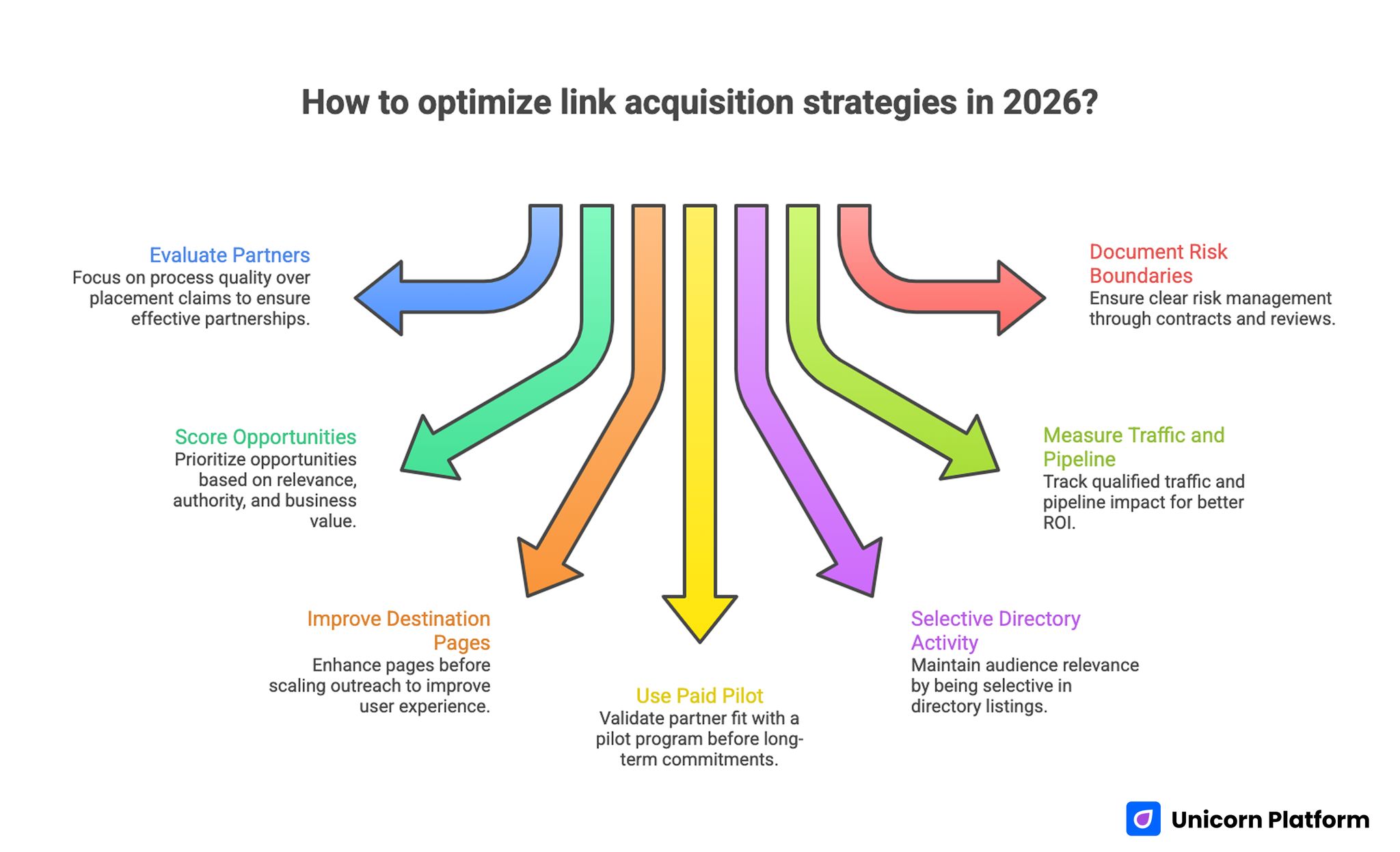
How to Optimize Link Acquisition Strategies in 2026
Top 6 Link Building Agencies
SayNine
SayNine is a link-building and SEO agency that helps businesses, especially SaaS companies, improve their search engine ranking and bring organic traffic through strategic backlink creation.
The agency is trusted by 200+ companies, has built more than 40,000 links, and collaborates with 3000+ partners. With SayNine, you can improve your ranking by increasing your revenue, gaining a higher domain rating and organic traffic, and increasing brand visibility.
Why is SayNine the Best Choice?
- Avoid Spam Backlinks: SayNine guarantees that only valuable backlinks are provided from reputable SaaS and agency websites for clear, efficient, and search-optimized link building with no spam.
- Outstanding Client Communication: Professional staff ensure periodic batch deliveries of backlinks every month and are ready to answer any questions.
- SaaS Partners: Companies no longer need to spend time on outreach or building their own network of link-building partners, since SayNine has already established an extensive network of partners, enabling them to build backlinks efficiently and on time.
- Save Time: You can concentrate on other growth techniques while SayNine’s internal team manages data collection, email outreach, and backlink building.
- Access a Client Spreadsheet: You can get a custom spreadsheet to track your backlinks.
- Personalized Approach: SayNine creates a personalized strategy for each client, discussing their needs, target pages, main objective, and keywords to provide guaranteed results.
Additional Services
- Full SEO: SayNine offers all the SEO fundamentals, including website performance checkup, keyword research, technical audits, content writing, and link building.
- SEO Audit: Complete SEO audits that help to conduct content and structure checks, run a technical site audit, check the backlink profile to find potential issues, their reasons, and maintain your website’s performance.
- Content Writing: Compelling content that both improves rankings and answers the target audience’s questions.
- Brand Mention: These are backlinks with added value, which increase brand visibility in both Google and AI search results.
Jeenam
Jeenam is a practical choice for companies that want scalable, niche-relevant link building without slowing down execution. It focuses on delivering contextual backlinks through a mix of outreach, guest posting, and link exchanges, making it suitable for teams aiming for consistent SEO growth.
The service is often positioned for brands that want a balance between speed, relevance, and steady link acquisition rather than overly complex or slow outreach-only strategies.
Best for:
- Companies looking to scale link building consistently
- SaaS brands that need niche-relevant backlinks
- Teams balancing speed with link quality
Why buyers consider it:
- hybrid approach combining outreach and existing network
- faster turnaround compared to traditional outreach models
- flexible strategy based on campaign needs
What to watch:
- Placement quality can vary, so review sites carefully
- The best results come with a clear SEO and anchor strategy
- Not ideal if you’re only targeting ultra-premium authority links
LinkBuilder.io
LinkBuilder is a digital marketing agency specializing in link building and aimed at improving clients’ search engine rankings while using process-driven and data-driven approaches.
What are the Advantages of LinkBuilder.io?
- Strategic Approach: LinkBuilder offers over 20 distinct link-building techniques that are part of the link-building procedure.
- Numerous Backlinks: The main strategy the company takes is white hat link-building, used to get authority backlinks.
- Outreach Campaigns: LinkBuilder targets different websites and bloggers to provide strong results for your niche.
- Realistic Results: The clients can get links that provide SEO improvement and bring authority to the web.
- AI Searches: LinkBuilder aims to introduce your company's content and increase your ranking among numerous AI search platforms.
For customers who want to get professional outreach, backlinks, diverse link-building strategies, and enhanced visibility, LinkBuilder is a good option.
Editorial.link
Editorial.Link is a link building and LLM/AI-search optimization agency focused on editorial backlinks, brand mentions, listicle placements, and digital PR.
The agency works with SaaS, Finance, Legal, Insurance, Travel, IT services, and Software companies. Its client portfolio includes NordVPN, PandaDoc, DiscoverCars, Capital.com, Depositphotos, Innowise, and Skylum.
Editorial.Link uses an approval-first workflow: clients review target websites before outreach starts. For each prospect, they can check DR, organic traffic, traffic value, outbound links, traffic sources, and AI-search visibility.
Published case studies include:
- PandaDoc: +212% organic traffic, 205 links
- Capital.com: +1,500% organic traffic, 71 links in 4 months
- Innowise: +893% traffic, 127 links
- DiscoverCars: +104% traffic, 218 links
- Skylum: +43% traffic, 193 links
A G2 reviewer highlighted the agency’s transparent process: communication through messenger, progress tracked in Google Sheets, and the ability to choose websites, articles, and anchor texts before links are placed.
Editorial.Link also offers white-label link building for SEO and marketing agencies.
uSERP
Another digital SEO and PR agency offering link-building services is uSERP. IT integrates different SEO and content friction strategies to improve brand ranking.
What are Some Benefits of uSERP?
- Premium Backlinks: uSERP adopts a content-led approach in acquiring high-traffic backlinks that enable such companies to improve their rankings and increase their ROI.
- AI and LLM Cited Domains: The platform discovers AI and LLM citations or references, with the help of SEO and AI visibility tools.
- High-Traffic Placement: It utilizes link-building results to identify the pages and sites that have good rankings and are reliable enough to conduct placement.
- Link Planning: The platform collaborates with clients to identify their standards and objectives for link quality.
- SEO Experience: uSERP provides recommendations on SEO, such as internal linking or content optimization, to improve ranking and traffic.
uSERP is another good link-building agency to build your ranking and visibility on search engines.
Outreach Monks
Outreach Monks is a link-building agency that facilitates the building of backlinks to improve the ranking of businesses. The services offered are fully managed campaigns and blogger outreach.
What Key Benefits does Outreach Monks Provide?
- Guaranteed Results: Outreach Monks’ clients usually see 3 times more traffic growth in 6 months and higher keyword rankings.
- White-Label Link Building: Many businesses rarely rely on white-label expertise to increase rankings without infrastructure costs.
- Authority Backlinks: Outreach Monks conducts placement on DR 50-90+ sites as FreshWorks, HubSpot, Namecheap, Hackernoon, etc.
- SaaS Link Building: This service helps companies gain more visibility and offers country-specific link building.
- Blogger Outreach Services: By bringing together top influencers, you gain audience credibility and drive more traffic.
Outreach Monks is a trustworthy link-building agency if you want to gain high rankings, integrate different services, and influencer outreach.
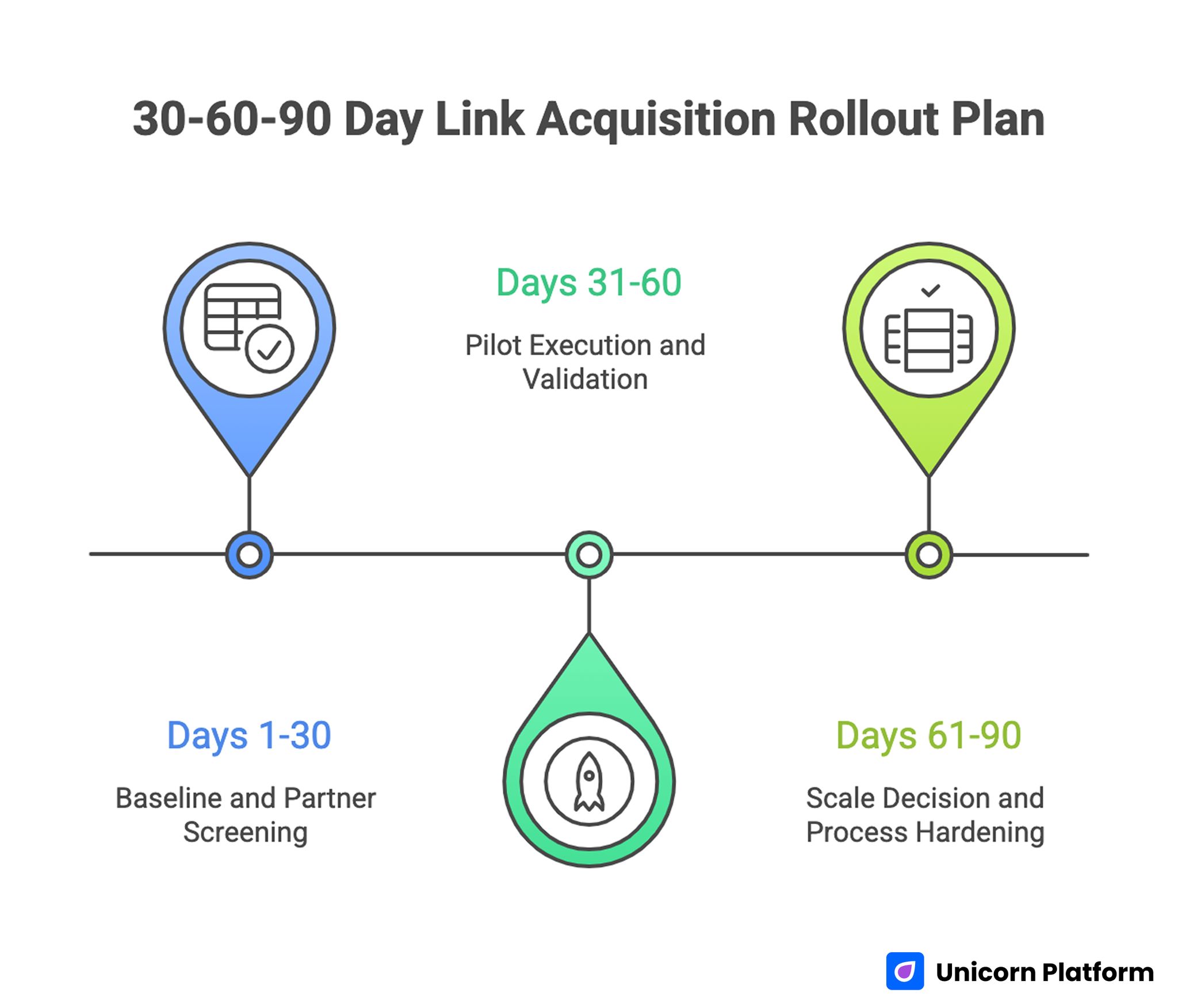
Link Acquisition Rollout Plan
Key Takeaways
Link Building is a key to improving your search engine rankings and visibility by building website authority.
Many link-building agencies offer a range of services to valuable backlinks, guarantee outreach, enhance customer trust, and even achieve a high ranking in various AI search engines. They will save you time thinking about rankings and let you focus on other branding strategies while getting quick results from existing backlinks.
Be mindful to select a link-building agency that will give you not only many links across platforms but also feasible results.
Related Blog Posts
- No-Code Guide to Web Directory Submission for Improved SEO in 2026
- How to Build a Profitable Affiliate Niche System in 2026, Not Just Another Niche List
- Evidence-Led SEO Operations in 2026: A Practical System for Better Content Decisions
- Landing Page SEO in 2026: Best Practices, Examples, and Checklist